Rediscovering Gaming — The Last of Us
A dusty PS4, a borrowed PS5, and 60 hours that reminded me why stories matter. This is what The Last of Us meant to me.
🎧 Soundtrack for this entry.
The Setup
I hadn’t turned on my PS4 since FIFA 20. Five years. It sat there collecting dust while I played the occasional Nintendo Switch game — Zelda, mostly. Classic titles that don’t demand much graphically but deliver on nostalgia.
Then I watched The Last of Us on HBO. Season 1 was brilliant. Season 2 ended and I needed to know what happened next. The show hadn’t finished the story. The games had.
I’d actually owned The Last of Us back in 2018. Tried to play it. Didn’t stick. It was too slow, too patient. I wanted games that moved fast, not games that told stories. That’s what TV was for.
But something had changed.
The Repair Attempt
I dug out the PS4, plugged it in, and it turned on. Progress. Went to CEX, bought a copy of the game for £10 because I couldn’t find my original disc. Put it in the drive.
Nothing. The disc wouldn’t read.
Most people would have stopped there. I didn’t.
I watched a YouTube video on PS4 disc drives, opened up the console completely, got right into the drive mechanism, gave it a proper clean, put it all back together.
Still nothing. The laser was probably dead.
I spent an entire night trying to fix it. I was adamant. I liked the challenge even though I never managed to get it working. There’s something satisfying about taking something apart, understanding how it works, and trying to bring it back. Even when you fail.
A mate had a PS5 he wasn’t using. Borrowed it. Downloaded both games via PlayStation subscription. Problem solved.
Part 1
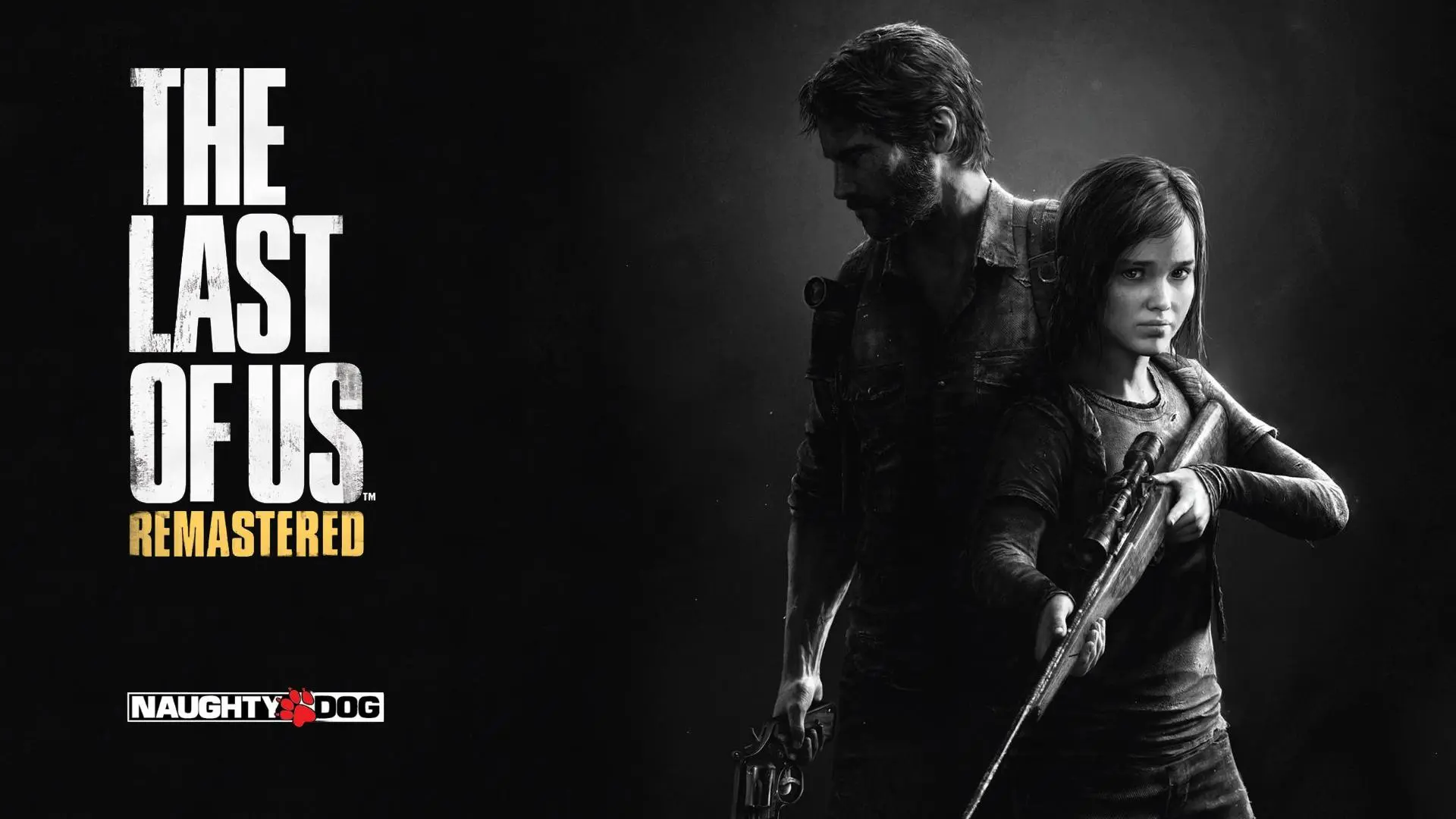
The Last of Us Remastered on PS5. The graphics hit me immediately. Five years away from anything like this — I’d forgotten what modern games could look like. The detail, the lighting, the expressions on faces. I was hooked before Joel even met Ellie.
I finished it in around 30 hours. The story was slightly different from the show, but the bones were the same. Joel loses his daughter. Years later, he’s tasked with smuggling a girl across the country. He doesn’t want to care about her. He does anyway.
That final scene at the hospital — Joel choosing Ellie over humanity — I remembered watching it in the show and thinking wow. Playing it was different. I was the one pulling the trigger. I was the one carrying her out.
Did I agree with what he did? Yes. He was in survival mode, protecting the one person he loved. The doctor had to go. I never wavered on that. Playing it didn’t change how I felt. It just made me feel it more directly.
Part 2
Part 2 began slowly. Some of it felt repetitive. But as the story unfolded, I got pulled deeper. Another 30 hours.
Then Abby killed Joel.
I knew it was coming — I’d seen it in Season 2. But watching her beat him with a golf club while Tommy was forced to watch, while Ellie arrived too late — playing through that was uncomfortable. Even knowing it was coming, it was difficult.
When the game made me play as Abby, I resisted. She was faster, more agile — mechanically different from Ellie — but I didn’t want to be her. The show had made her a villain. She’d killed Joel. I wasn’t happy.
The game was clever about it. It only gave you small sections as Abby at first, then switched back. Slowly, it let her story unfold. Her father was the doctor Joel killed. She watched him die. She lost people she loved too.
By the end, I was on her side.
I was frustrated with Ellie. She should have stopped. Abby had already lost so much. The cycle of revenge was destroying everyone. But Ellie couldn’t see what I could see — she only knew her own grief, not the grief she was creating.
The Ending
That final fight on the beach. Ellie had Abby drowning. She was about to finish it.
I thought she was going to kill Abby and die herself. When she let go, I was surprised.
She went back to the farmhouse. Empty. Dina was gone. She sat down, picked up Joel’s guitar, and couldn’t play it properly.
I didn’t realise why at first. I thought I was doing something wrong. Then it clicked — she’d lost her fingers in the fight. She literally couldn’t hold onto the last piece of Joel she had left.
By that point, I was relieved it was over. The final chapters had worn me down. The Rattlers, the people hanging from pillars, the slavery — it was relentless. I don’t want to see those things anymore.
I’d taken a screenshot earlier, when Ellie was sitting on the tractor at the farm, the baby nearby, sunset in the background. I thought that was the ending. It was beautiful. Peaceful.
The game let me have that moment, then dragged me back into the violence. It wanted me to feel what Ellie’s choice cost her.
What I Expected vs What I Got
I thought this would be a zombie game. Infected everywhere, survival horror, resource management.
The infected were almost just the backdrop. The real threat was what humans do to each other. Grief, trauma, revenge. The story wasn’t about surviving monsters. It was about whether people can break the cycle of violence — and what it costs when they can’t.
What This Meant to Me
I’ve become intentional with my time. I don’t like committing to open-world games that never end. I liked The Last of Us because it had a story with a clear endpoint. I knew I’d finish it and move on.
But it was more than that.
This was permission. Permission to slow down. To invest 60 hours in something that isn’t productive in the traditional sense but feeds a different part of me. I’ve built my life around learning, creating, training — and here I gave myself space to just experience something. A story. An emotional journey.
The patience and maturity I’ve developed — the same growth that took me from law to cloud engineering, that gets me up early, that keeps me consistent with training — that growth also lets me appreciate art differently now. In 2018 I wasn’t ready for a game that told a story. In 2026, I am.
The boat on the ocean in the menu screen. The soundtrack. That tractor sunset I screenshotted. I noticed beauty in it.
I played on Survivor difficulty. Got stuck on the final chapter for hours trying to reach Abby. I didn’t take the easy route. I wanted the full experience.
If I’d never watched the show, I’d never have played the game. And playing the game sparked something I thought I’d grown out of.
What’s Next
Metal Gear Solid: Snake Eater. The PS5 remaster released recently. Another childhood game I played when it first came out, now getting the same treatment.
But not yet. I need a break first.
Documented January 2026. For the record.